A Comprehensive Guide to Declaring, Assigning, and Managing Variables in Your Code

Hey Viewer, I'm Kyle Robins, Devops / Full-stack Engineer based in Nairobi Kenya. Am passionate about Web development & Content Creation.
Introduction
In JavaScript, variables are used to store and manipulate data. They are declared using the let, const, or var keyword. Here are the commonly used types of variables:
1. let Variable
The
letkeyword is used to declare a variable that can be reassigned.let age = 25;
2. const Variable
The
constkeyword is used to declare a variable with a constant value. It cannot be reassigned.const PI = 3.14;
3. var Variable (Older Syntax)
The
varkeyword is the older syntax for declaring variables. It has function-scoping.var count = 10;
Naming Conventions
Variable names should be meaningful, follow camelCase (start with a lowercase letter, capitalize subsequent words), and avoid reserved words.
let myVariable = "example";
Data Types
JavaScript variables can hold various data types:
1. Strings
Strings represent text and are enclosed in single or double quotes.
let greeting = "Hello, World!";
2. Numbers
Numbers can be integers or floating-point values.
let age = 25;
let price = 19.99;
3. Booleans
Booleans represent true or false values.
let isStudent = true;
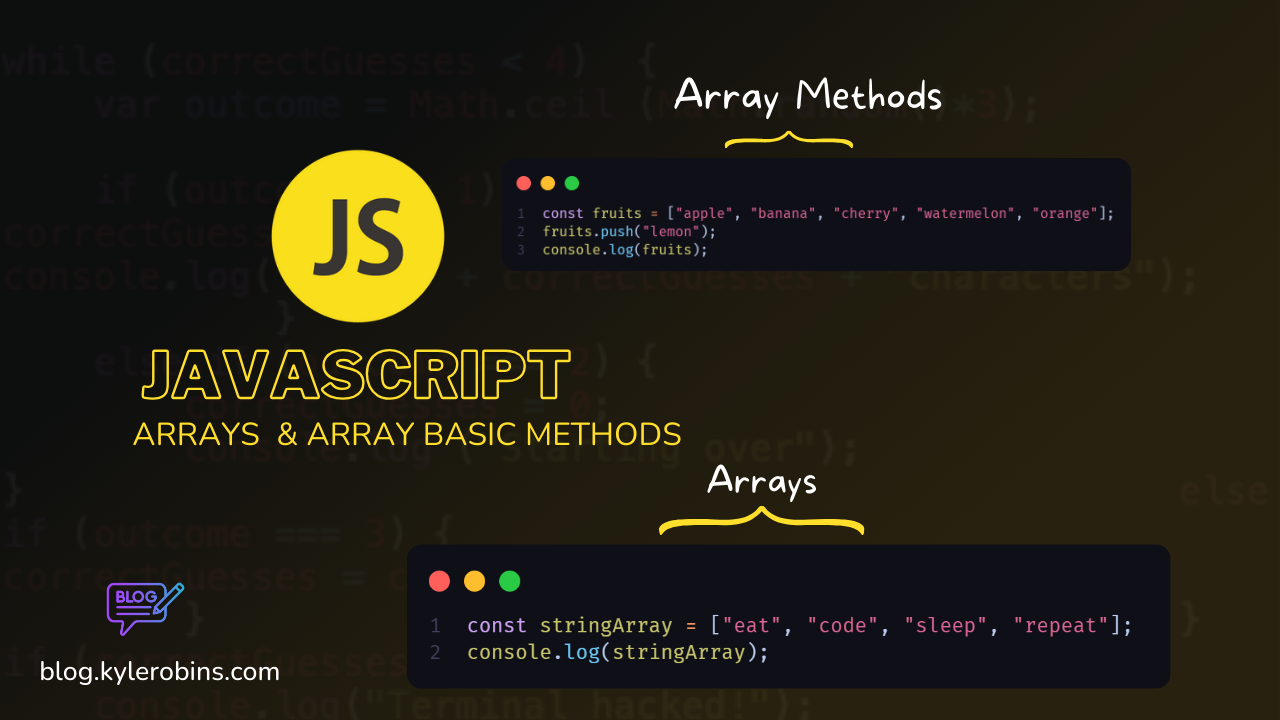
4. Arrays
Arrays store collections of values.
let fruits = ["apple", "orange", "banana"];
5. Objects
Objects store key-value pairs.
let person = { name: "John", age: 30 };
Conclusion
Understanding variables is fundamental to working with JavaScript. Whether you're a beginner or an experienced developer, mastering variables is essential for writing efficient and maintainable code.
For more details, refer to the MDN Web Docs on JavaScript Variables.